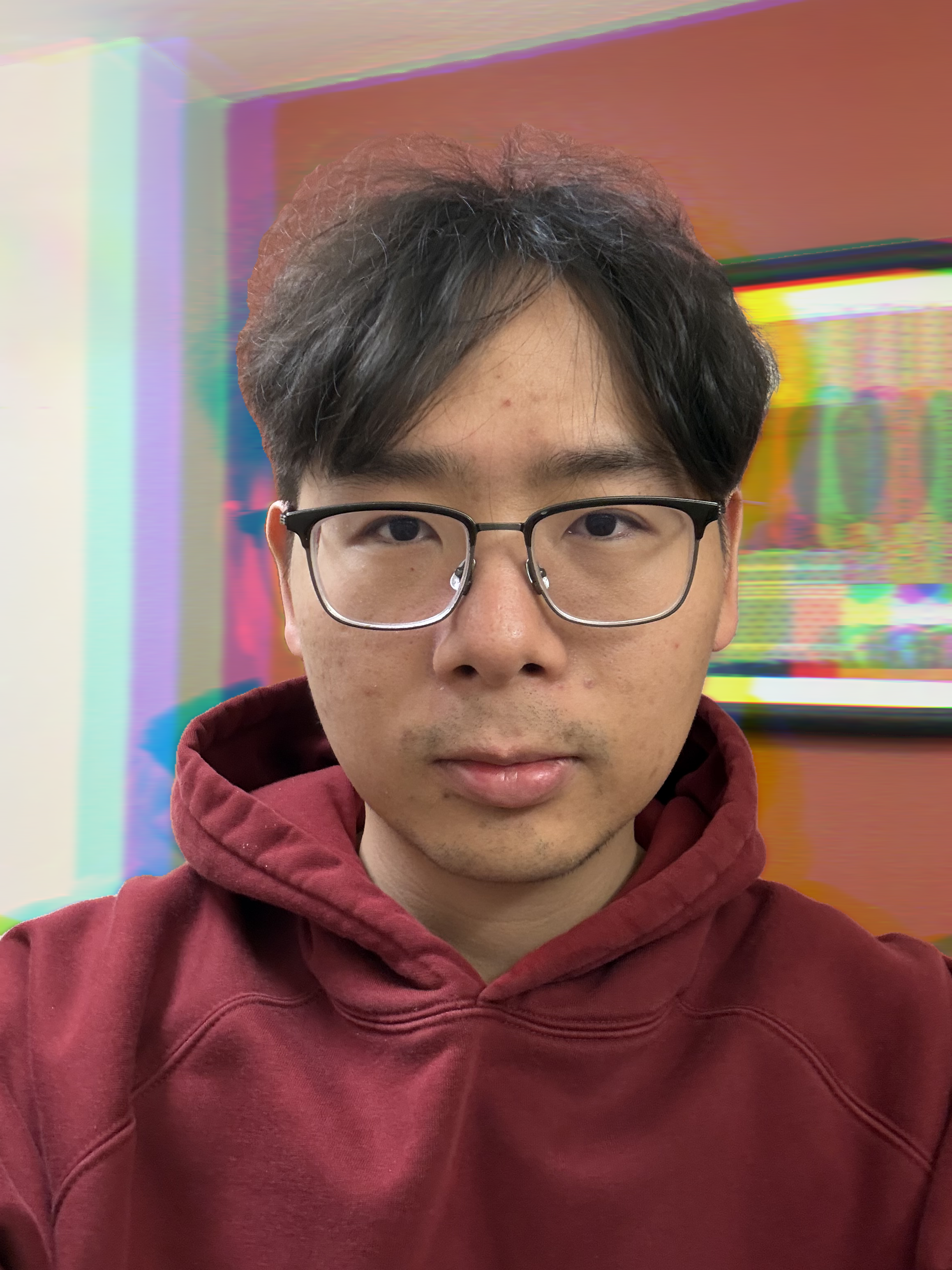
Bio
Chuyang Chen is a second-year PhD student who joined
Prof. Zhiqiang Lin's team at The Ohio State University in Aug. 2024. He got his MSc degree from Nanjing University in 2023 after three happy years advised by
Prof. Chang Xu and
Asst. Prof. Huiyan Wang. Before that, he got his BSc degree also from Nanjing University in 2020. He will always cherish the seven years in Nanjing.
Research Interests
Chuyang Chen's PhD research has so far focused on fuzzing. His next research direction will move toward confidential computing in the AI era, particularly trusted execution environments (TEEs) for securing AI agents and their data. He is constantly learning how to identify concrete and valuable research problems from real-world practice, while cross-linking fragmented knowledge to address the fundamental questions of cybersecurity, software engineering, and systems in our time. The ultimate goal is always to conduct top-tier research and to push the boundary of human knowledge.
Selected Publications
[Full Publication List]
- Chuyang Chen*, Brendan Dolan-Gavitt, and Zhiqiang Lin. ELFuzz: Efficient Input Generation via LLM-driven Synthesis Over Fuzzer Space. In Proceedings of the 34th USENIX Security Symposium (USENIX Security'25), pp. 6279–6298, Seattle, Washington, USA, Aug. 2025. [bib, pdf, code]
Work Experience
Academic Jobs
- Aug. 2024–Present: Graduate Research Associate, The Ohio State University
- Jul. 2023–May 2024: Research Assistant, East China Normal University
- Working on metamorphic testing, symbolic execution and SMT solvers in Prof. Ting Su's group
- Sept. 2022–Mar. 2023: Teaching Assistant, Nanjing University
Open-source Software
Honors and Awards
- First-class Merit Scholarship 英才奖学金一等奖 (Nanjing University, 2022)
- Third-class People's Scholarship 人民奖学金三等奖 (Nanjing University, 2019)
- First-class People's Scholarship 人民奖学金一等奖 (Nanjing University, 2018)
Hobbies
Strategy games, CRPGs, and roguelikes; philosophical books and weird fictions such as Thomas Pynchon; scrolling TikTok videos that are likely to cause brain damage.
Last updated on Dec. 22, 2025.